
If your first surgery didn't fix it, you're in the right place.
Your surgery happened. Your symptoms didn't go away. Here's what's usually behind that, and what can be done about it.
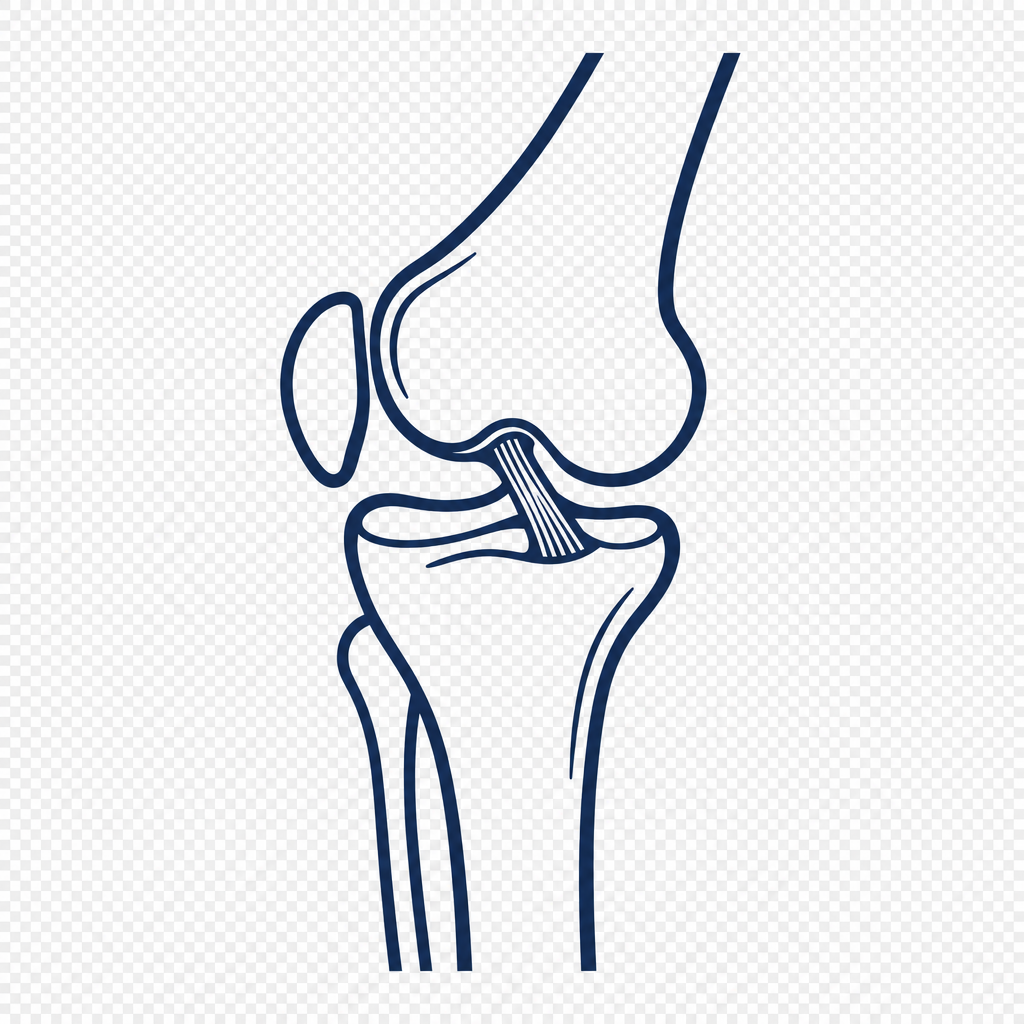
Revision ACL surgery and complex knee cases.
About 1 in 10 ACL reconstructions don't fully hold. That doesn't mean your options have run out; it usually means there's a specific reason your first surgery didn't work, and a specific plan to address it.
- Your ACL tore again
- The graft from your first surgery gave way. In most cases this can be corrected in a single revision procedure, sometimes with a small reinforcement so it holds this time.
- Your knee catches or won't fully straighten
- Scar tissue can build up in the front of the joint after ACL surgery. Surgeons call this a cyclops lesion. It's usually cleaned up arthroscopically with a quick recovery.
- The graft is there but the knee feels loose
- Sometimes a graft stretches over time. In the right cases it can be reinforced without a full revision, which shortens the recovery meaningfully.
- Pain that doesn't match the imaging
- Cartilage damage that was missed or underestimated the first time is a common source of ongoing knee pain. Cartilage repair and restoration can address it.
Related: ACL revision surgery, failed ACL reconstruction, cyclops lesion, OATS knee surgery.
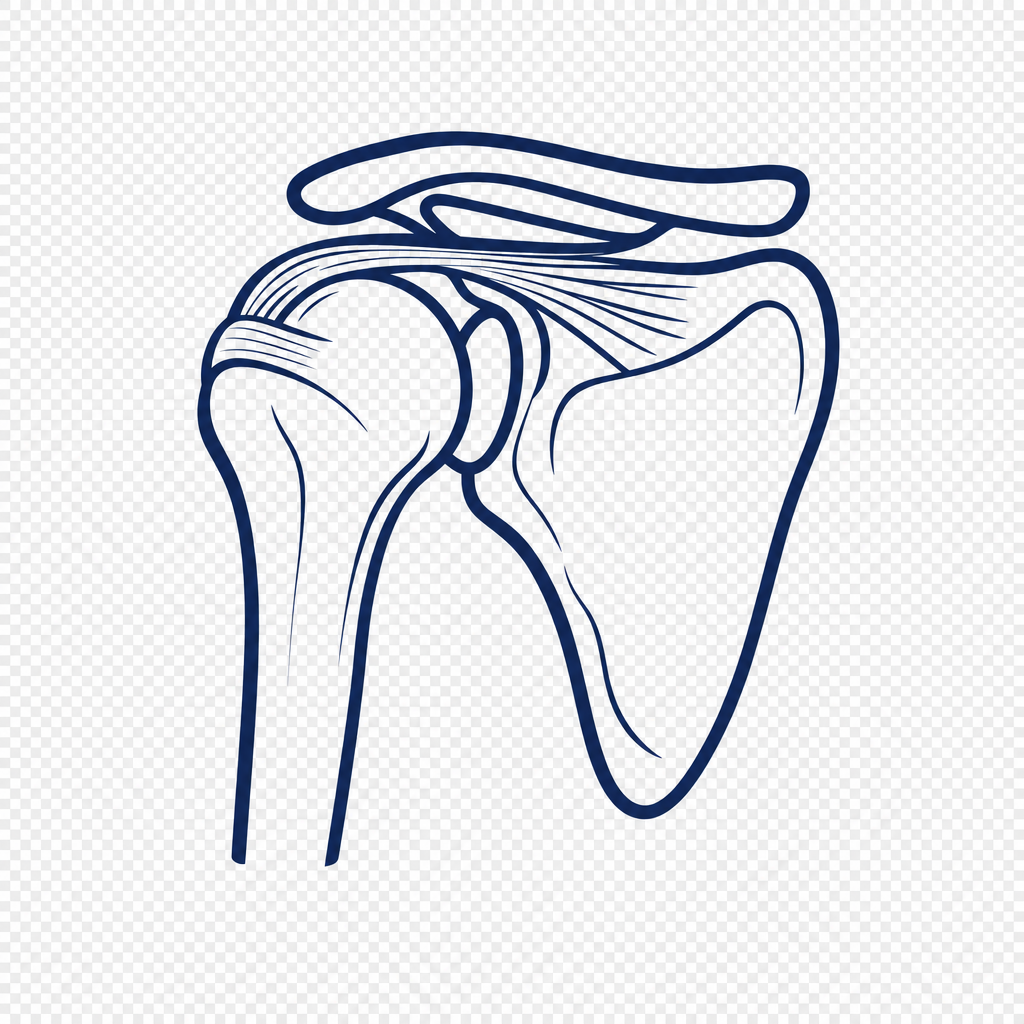
Revision shoulder stabilization and complex shoulder cases.
If your shoulder still dislocates or feels unstable after a stabilization procedure, the reason is almost always something specific and fixable. Usually a structural issue that wasn't fully addressed the first time.
- Your shoulder still dislocates after a repair
- Most first-time stabilization repairs are designed for intact bone. When a repair fails, it usually means the socket had more bone loss than the first imaging showed.
- You've lost bone in the socket
- The socket edge can chip away with each dislocation. Bone-rebuilding procedures like a Latarjet or distal tibia graft restore the surface so the shoulder holds.
- It keeps popping out and you can predict when
- Every instability pattern is a little different. The right revision approach matches the specific way your shoulder gives way, not just the general diagnosis.
- Pain, catching or grinding with the instability
- Cartilage damage often shows up alongside recurrent instability. It can be addressed at the same time as stabilization so you only go through recovery once.
Related: revision shoulder surgery Texas, shoulder instability after surgery, failed Bankart repair, Latarjet revision.
Guides, handouts and rehab videos.
A growing library from Dr. Rhodes and his care network to help you prepare, recover and make informed decisions.
Everyday orthopedic and sports medicine care.
For non-revision cases, booking through Baylor Scott & White is the fastest way to see Dr. Rhodes.
Questions from patients in your situation.
Think your case might fit?
Send your imaging and history for review. You'll get a straight answer before you book anything.
Submit Your Case